

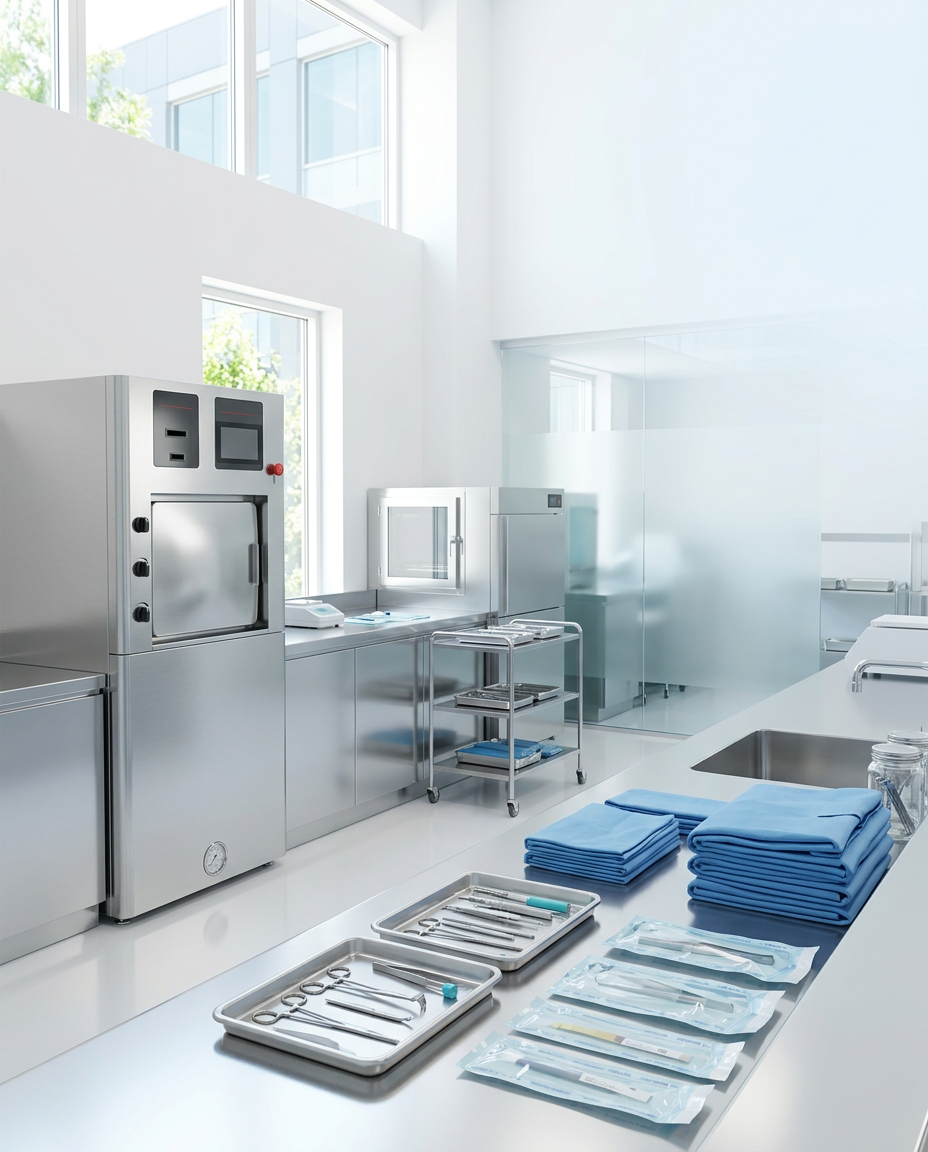

30+ Years of Sterilization Expertise
Learning Lab
Sterilization Resources, Guides & Expert Insights
Explore practical resources from Duraline Systems covering autoclaves, sterilization, instrument cleaning, monitoring, equipment care, troubleshooting, and sterilization best practices.
Then have just two prominent actions:
Browse Learning Lab Articles | Find the Right Autoclave
That immediately tells Google, AI search engines, and visitors what this page contains.
Explore Sterilization Resources
Use 4 cards across on desktop:
How-To Guides
Practical guidance for sterilization equipment, instrument processing, cleaning, maintenance, and everyday operation.
Autoclave Buying Guides
Compare sterilizer types, chamber sizes, features, applications, and equipment options for your facility.
Sterilization | Monitoring
Learn about biological indicators, chemical indicators, spore testing, documentation, and sterilization verification.
Manuals & Literature
Find operator manuals, brochures, comparison charts, product literature, and other manufacturer resources.
Learning Lab Articles:
Learning Lab

How To Sterilize Liquids
When it comes to the steam sterilization of liquid media, there are a number of user concerns that are handled in various ways.

How Do Autoclaves Work?
How do Autoclaves Work Most people only think about steam autoclaves belonging in a hospital, but they are important in tattoo shops, beauty and barber shops, dentist offices, veterinarians and many other fields. An autoclave is a pressure chamber that is used to sterilize equipment and supplies. When these items are placed inside the autoclave they are exposed to high temperature steam (usually around 132 degrees Celsius or 270 degrees Fahrenheit) for about twenty minutes. These times vary based on the amount and physical size of the equipment that needs sterilized. This hot steam will kill germs that simple detergent or boiling water could not. Autoclave Parts Similar to pressure cookers, steam sterilizer autoclaves work quickly and effectively because of their high temperature. The machine's temperature and unique shape make it easier to hold the heat inside much longer. The autoclave also does a great job of efficiently penetrating each piece of equipment. The autoclave's chambers are usually in the shape of a cylinder because cylindrical shapes are more equipped to handle the high pressure that is needed for the sterilization process to work. For safety reasons, there is an outside lock and a safety valve that prevents the autoclave steam sterilizer's pressure from getting too high. How Autoclaves Work Once you close the autoclave sterilizer chamber, a vacuum pump removes all the air from inside the device or it is forced out by pumping in steam. If done the first way, the sterilizer is pumped with high pressured steam to quickly raise the internal temperature. On every autoclave there is a thermometer that is waiting for the thermal sweet point, 268-273 degrees Fahrenheit, and then it starts its timer. During the sterilizing process, steam is continuously entering the autoclave to thoroughly kill all dangerous microorganisms. Once the required time of autoclave sterilization has the elapsed, the chamber will be exhausted of pressure and steam allowing the door to open for cooling and drying of the contents. After using your sterilizer it is important to clean the device well, learn how to clean an autoclave here. Contact Duraline BioSystems today to order your new sterilizers or refurbished sterilizers.

How to Care for Your Autoclave or Steam Sterilizer
Caring for your autoclave is very important and can be easily overlooked. We often see this step neglected which can cause high and frequent repair costs. A lack of maintenance will also lead to deterioration and excessive wear of the contents being sterilized. Let's go over a few points to make caring for your autoclave or steam sterilizer easier for you.

Did you know Preventative Maintenance is required by the CDC?
Did you know Preventative Maintenance is required by the CDC? Yes, it is. As state by the Center for Disease Control (CDC): "Perform preventive maintenance on sterilizers by qualified personnel who are guided by the manufacturer's instruction." (see Recommendations for Disinfection and Sterilization in Healthcare Facilities C.19.i here). Duraline provides a certification label on every autoclave following preventative maintenance - which will be looked for during an inspection. How Frequently Does My Autoclave Need Preventative Maintenance? Preventative Maintenance is recommended by autoclave manufacturers to be done every 6-12 months depending on the make/model, or how often the autoclave is used. This can be found in the Operators Manual that came with your equipment (click here for your Operators Manual). New state-of-the-art autoclaves, such as the Tuttnauer EZ9Plus and EZ11Plus, have an LCD screen on the control panel that informs you when a simple maintenance check is necessary. At Duraline Systems, we call to remind you when your autoclave needs maintenance. Learn more Why Do Autoclaves Need Preventative Maintenance? Just as a car requires regular oil changes and annual inspections, maintenance extends the life of your autoclave. Preventative Maintenance ensures: Your autoclave will be functioning at 100% performance Your instruments are being sterilized with every cycle Emergency service calls are reduced Risk to patients and staff is reduced Your office is compliant What Happens in a Routine Maintenance? Preventative Maintenance are completed by our certified biotechnicians, which include: Electrical safety checks and safety inspections Replace filters and gaskets as needed Clean the reservoir, chamber, trays & door Clean and inspect the sensors, valves and condenser coils Verify temperature, test and calibrate the sterilizer Provide a comprehensive service report. View Maintenance Plans What Maintenance is Required by My Staff? DAILY: Clean door gasket / cassette seal with mild detergent and soft cloth or sponge. WEEKLY: The autoclave chamber (or StatIM cassette), trays and door gasket must be cleaned weekly with mild detergent, and thoroughly rinsed. This kit offers the recommended cleaner and scrub pad. Use autoclave cleaner for most autoclaves to descale the chamber, copper tubes and reservoir. For StatIM's, coat the interior of the cassette with Stat-Dri every 10 cycles. For Tuttnauer autoclaves: Clean the air jet, water sensor weekly, oil door pins and the tightening bolt. MONTHLY: Replace distilled water in reservoir. Clean and check safety valve and clean the strainer inside the chamber. Remove rack and trays and clean them and the chamber thoroughly with mild detergent and rinse with water. 6-MONTHS: Air (HEPA) filters on StatIM's and Tuttnauer autoclaves must be changed, to allow adequate supply of clean air during the drying cycle. For StatIM's, the cassette seal, air filter and biological air filter must be changed every 500 cycles or 6-months (whichever comes first). 12-MONTHS: Replace the door gasket at least annually - or as needed. Schedule your annual service here. Many autoclave parts are easy to replace; we keep thousands of parts in stock here and will help you replace the part over the phone, if needed. If you want it done professionally by a certified biotechnician, send a request here. Click here to request an Autoclave Maintenance or repair.

Water Distillers - The Best Choice for Clean, Chemical & Mineral Free Water
Water Distillers remove impurities from tap water by boiling the water and converting the steam back into liquid water. Once the water goes into the water distiller machine's clean container for removal, the high quality water can be used for appliances, medical equipment or for drinking.

5 Ways to Select the Right Laboratory Sterilizer
An autoclave/sterilizer is the most important element of instrument processing. Buying sterilization equipment can be expensive, so be sure to invest in the correct autoclave or sterilizer.

NEW Instrument Washer Disinfector Steelco DS 500 CL
The Latest Technology of Instrument Washer Disinfectors

Top 10 Sterilizers for Dental Offices
Shop the Most Popular Sterilizers for Your Dental Practice

Brand Spotlight: Tuttnauer
Tuttnauer is one of the most popular autoclave manufacturers across several different industries. For 90 years, the brand has maintained its position as a top supplier of infection control equipment and in particular, its popular autoclaves.

Autoclave Safety
Many different industries use autoclaves including doctors, dentists, laboratories, tattooists and veterinarians. While autoclaves keep us safe from infection, they can be dangerous if used incorrectly. This blog contains only general autoclave information, so before using your autoclave, it's vital that you read the manufacturer's manual because each used sterilizer has unique features.

Automatic vs. Manual Autoclaves
Now that you have read our "How Do Autoclaves Work" blog, you're now probably wondering what the differences are between manual and automatic autoclaves. You will commonly see a table top version of both autoclave types. Tuttnauer autoclaves are popular manual and automatic table top autoclaves, but there are many other autoclave manufacturers as well.

Infection Control: Sterilization Instrument Trays
Secure and protect delicate surgical instruments in durable, stackable trays for sterilization to minimize wet packs and speed up drying time. Compatible with dry heat sterilizers, steam autoclaves and eto sterilization.

